Construction Hoist Gearbox SF Ratings: 1.5 vs 2.0 Explained
Wiki Article
The standard service factor (SF) for a construction hoist gearbox typically sits between 1.5 and 2.0. Most construction hoists operate with frequent starts, stops, and shock loads, so a safety margin is built into the gearbox design. A service factor of 1.5 is widely accepted as the minimum baseline for passenger and material hoists. It provides enough torque capacity to handle real-world operational stress while maintaining equipment reliability.
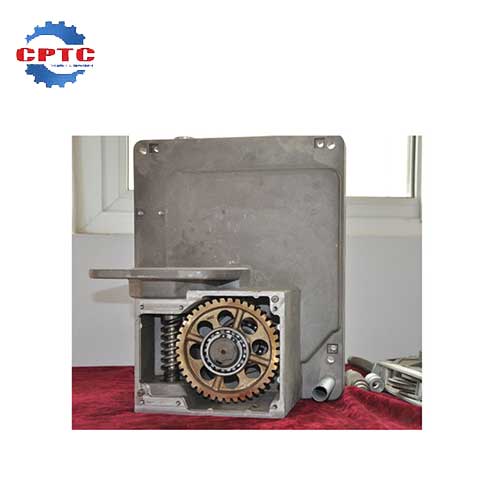
On heavier or high-frequency sites—such as high-rise projects or locations with long operating hours—engineers often specify an SF of 1.6 to 2.0 or higher. This extra margin helps protect the gearbox from heat buildup, load spikes, and accelerated wear caused by continuous use. Vertical lifting equipment is especially demanding because it must repeatedly overcome gravity and sudden load changes, which generates mechanical stress.
Choosing a service factor below 1.5 is generally not recommended for construction hoists. Undersized gearboxes are more likely to experience gear tooth wear, overheating, and premature failure. While a lower SF might reduce initial costs, it often leads to higher maintenance expenses and downtime over the equipment’s lifecycle.
In practical terms, most standard construction hoists perform well with an SF of 1.5–1.8, while heavy-duty or 24/7 applications benefit from values closer to 2.0. The right selection depends on duty cycle, environmental conditions, and load requirements.
Report this wiki page